A query letter is a job application for your book. It has one page, four jobs to do, and a reader who decides whether to keep going at the end of every line. Get the shape right and the agent's attention lands where you want it: on the opening pages that follow.
Most of what goes wrong is not bad writing. It is a letter that makes the agent work too hard — hunting for the genre, guessing at the word count, wading through three paragraphs of scene-setting before anything happens. Here is how the four working parts fit together.
What a UK agent is actually looking for
A UK agent reads your letter asking two questions: can I sell this, and can I work with this person? Everything in the letter should answer one of those. They want a book that fits a shelf in a British bookshop, a voice that sounds like a person rather than a category, and a writer who has done their homework.
That last part is the easiest to prove. Read the agency's submission guidelines before you write a word. Most list exactly what they want: a one-page letter plus the first three chapters, perhaps a synopsis, or the first fifty pages pasted into the email. Following those instructions is the cheapest way to look professional.
The hook: earn the second sentence
Your opening line is not a greeting. It is the first thing an agent reads after the subject line, and it needs to do something. Start with the inciting incident, the central tension, or the situation that makes your book unusual.
Compare these two:
I am writing to seek representation for my 92,000-word literary novel about a woman who returns to her home town.
At thirty-four, Nell comes home to run her late mother's guesthouse and finds the building mortgaged to a man she has spent fifteen years avoiding.
The second is not cleverer. It is simply more specific: a person, a place, a problem, and a reason to care. Aim for two or three sentences in that register before you move on. If your hook takes a whole paragraph to get going, delete the paragraph.
The blurb: sell the story, don't summarise it
The blurb is back-cover copy for a book that doesn't exist yet. It should run to roughly one hundred to one hundred and fifty words, written in the present tense and the third person, and it should stop before the ending.
Plot summaries catalogue events. Blurbs create pressure. The shape that works is character, want, obstacle, stakes. When a stranger turns up claiming half the farm, Mair must decide whether to fight a court case she cannot afford or sell the only home her children have known.
Three rules that save a lot of rewriting:
- Name no more than three characters, and never give one of them a surname, a job title and a personality trait in the same sentence.
- Do not hide the premise to protect the surprise. The agent needs the premise; the reader needs the surprise.
- Cut any sentence that only explains how something happened. Keep the ones that make you ask what happens next.
Comparison titles that do real work
Comparisons — comps — are a positioning tool, not a compliment. Two is usually right, three is the maximum, and each should tell the agent something different about the book.
A formula worth borrowing
For readers of [recent book with a similar voice] who want [well-known book's premise], [Your Title] is a [genre] of about [word count] words.
Choose comps that are recent, real and within reach. Comping to the biggest bestseller of the past decade tells an agent very little, because half the submissions in their inbox say the same thing. A better choice is a book published in the last few years that did respectably well in your genre — specific enough to prove you read in this area.
Avoid films, television and classics. Avoid "will appeal to fans of everything". And if you are comping on voice rather than plot, say so: "the dry, close-third narration of X" is far more useful than a bare title.
The bio: three sentences, no apologies
Keep this short and factual. Relevant credits go first. If you have none, use the space to show you are the right person to write this particular book.
That might be an experience, a place or a job that gives the story its texture. "I spent six years working in a hospital complaints department, which is where the novel's setting comes from" does more work than "I have always loved writing". What does not help: apologies, self-deprecation, a list of hobbies with no bearing on the book, or the news that your mother thinks it would make a great film.
For non-fiction, this section carries more weight. Say what makes you credible on the subject and who is going to read the book.
Housekeeping that quietly sinks submissions
None of these will get you rejected on its own. Together, they suggest a writer who has not read the guidelines.
- The agent's name is spelled correctly and the agency's name is current. Agencies merge; check the website rather than a directory from three years ago.
- The title, genre and word count appear early — in the first line or at the top of the letter.
- The letter fits on one page, with sensible margins and no images, coloured text or gimmicks.
- Attachments only if the guidelines ask for them. Pasting sample pages beneath your signature is usually safer.
- You have not telephoned the agency, and you are not chasing before the stated response time has passed.
- If another agent has offered representation, mention it — politely, once. That is the one nudge everybody reads.
Before you press send
Read the letter aloud. Anything you stumble over will be stumbled over again by a tired reader at the end of a long day. Then cut ten per cent: the throat-clearing first sentence, the adjective doing no work, the explanation of a plot point nobody asked about.
- Check the agent's name, the agency's name and your title against your own manuscript.
- Confirm the word count is the real one, rounded to the nearest thousand, and that your genre label is one an agent would recognise.
- Read it once more for the four parts: hook, blurb, bio, comps. If the bio has drifted to five sentences, trim it.
- Save a plain-text version so the formatting survives being pasted into an email.
The letter does not need to be dazzling. It needs to be clear, specific and easy to say yes to. Do that, and the pages you send alongside it get read on their own merits — which is the only thing a query letter is really for.
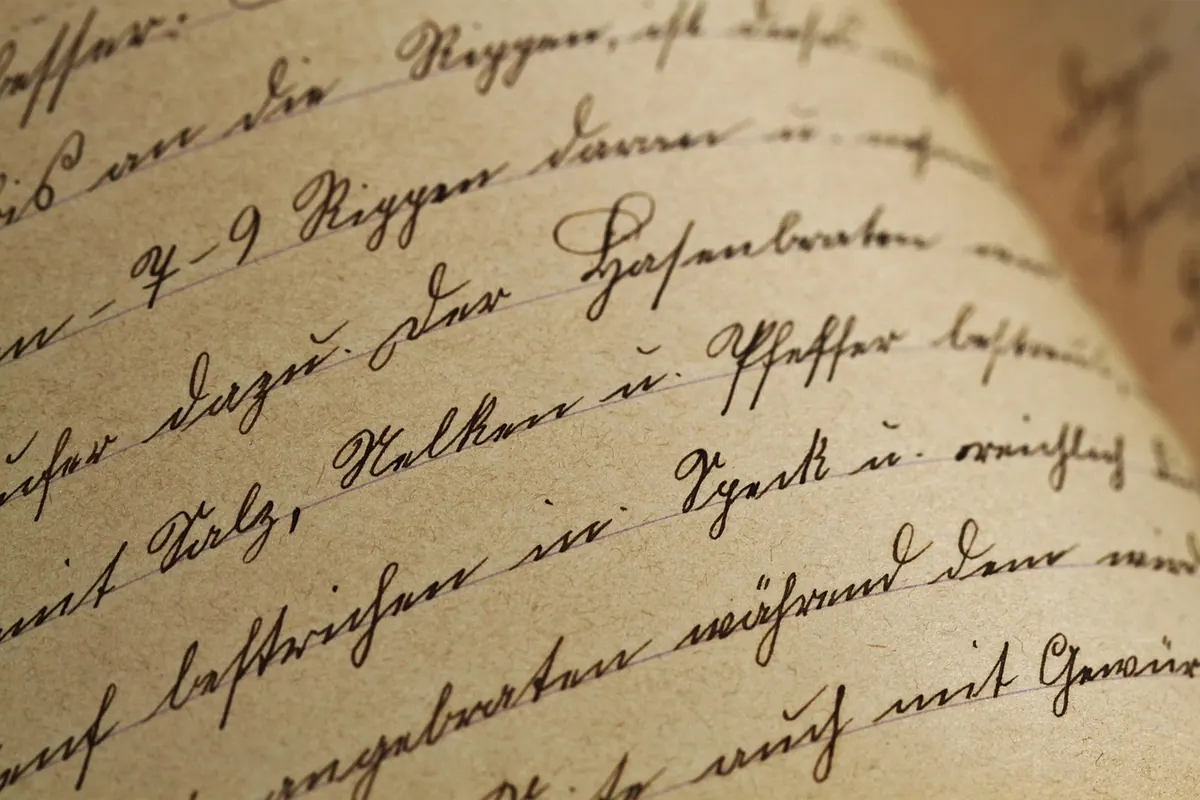
Photo: stempow / Pixabay